
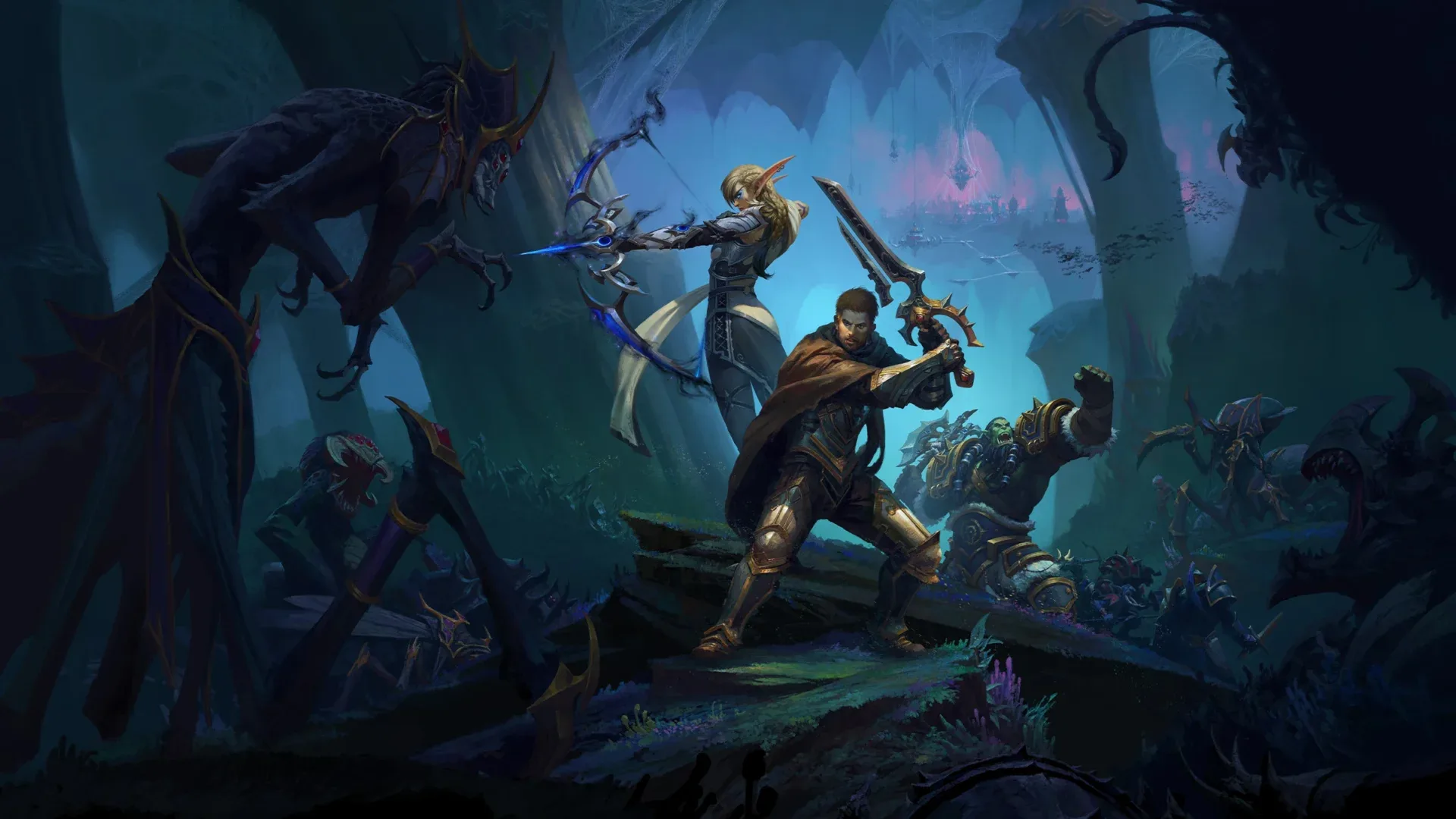
The Forsaken, a faction of undead in the World of Warcraft universe, emerged from the ashes of their former lives to forge a new identity. This guide explores their transformation from mindless zombies to a society with purpose and autonomy. Understanding their journey not only enriches the lore of the game but also highlights themes of resilience and self-discovery in the face of adversity.
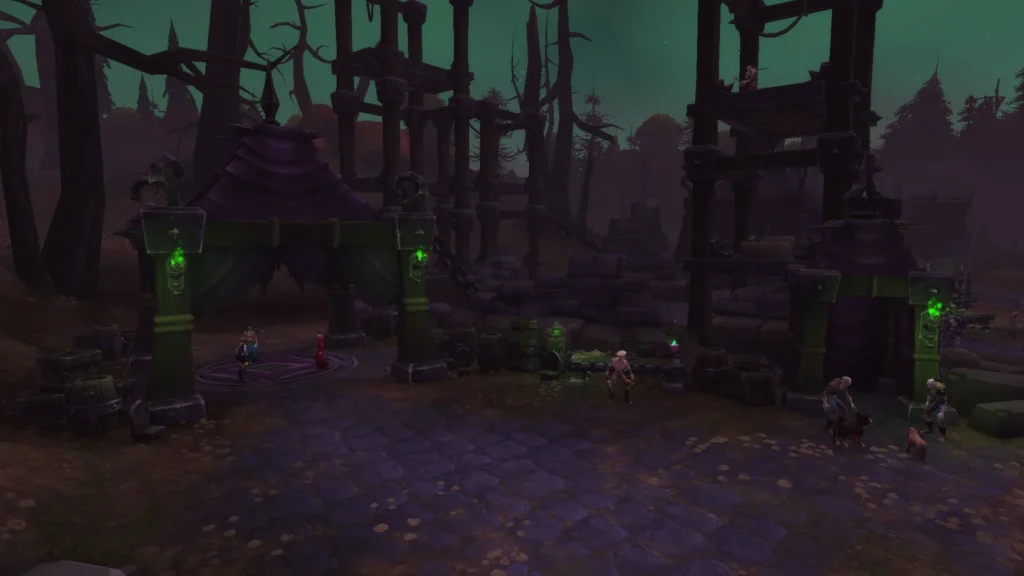
What are the key factors that led to the Forsaken’s new purpose?
The Forsaken’s new purpose emerged from their struggle for autonomy, the influence of Sylvanas Windrunner, and the desire for revenge against their oppressors.
The Forsaken were once the mindless servants of the Scourge, stripped of their free will and humanity. However, after breaking free from the Scourge’s control, they faced the challenge of redefining their existence. Sylvanas Windrunner, their leader, played a pivotal role in this transformation by instilling a sense of identity and purpose. The Forsaken’s desire for revenge against the living, who had abandoned them, fueled their quest for autonomy and self-determination. This desire to reclaim their agency and seek vengeance against their former oppressors became a driving force in their new society.
- Understand the impact of Sylvanas Windrunner’s leadership and vision.
- Recognize the significance of autonomy in shaping the Forsaken’s identity.
- Explore the themes of revenge and justice that motivate their actions.
- Analyze how their societal structure reflects their quest for purpose.
How did the Forsaken establish their identity and society?
The Forsaken established their identity through the creation of a unique culture, governance structure, and community values that reflect their undead existence.
The Forsaken’s identity was forged in the fires of their shared experiences as the undead. They developed a culture that embraced their new reality, rejecting the stigma associated with being undead. Their governance structure, led by Sylvanas and later by other leaders, emphasized autonomy and self-governance. This structure allowed them to create a society that valued individual contributions while maintaining a collective identity. The Forsaken also established community values centered around resilience, loyalty, and the pursuit of knowledge, which helped them navigate their new existence and foster a sense of belonging.
In terms of mechanics, the Forsaken utilized their unique abilities, such as Will of the Forsaken, to enhance their societal functions. This ability allowed them to resist fear effects, symbolizing their defiance against oppression. Additionally, their access to dark magic and alchemy enabled them to explore new avenues for survival and power. The Forsaken’s societal evolution reflects a blend of their past lives and their current undead existence, creating a rich tapestry of lore that resonates with players.
What challenges did the Forsaken face in their quest for purpose?
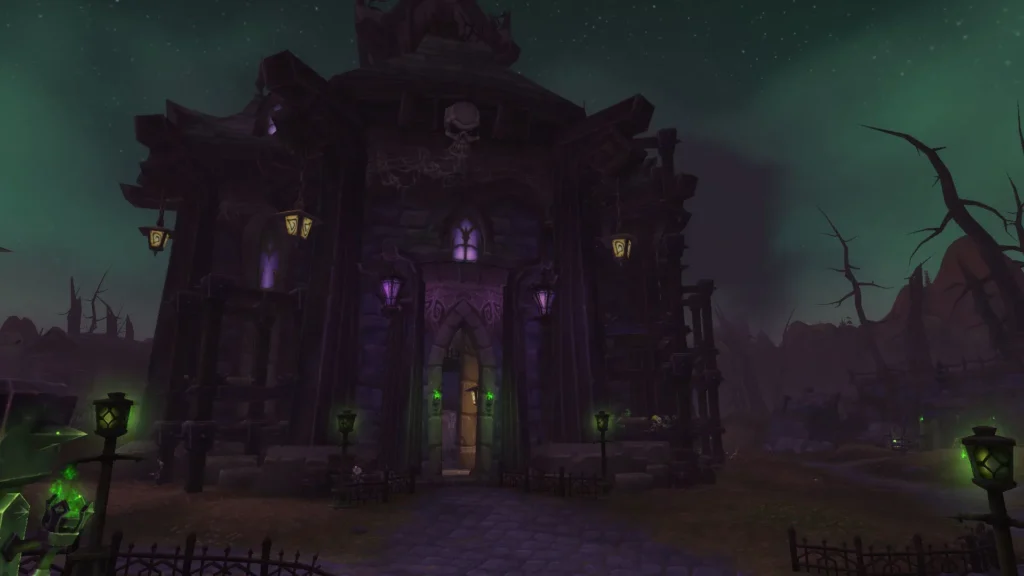
The Forsaken faced numerous challenges, including societal rejection, internal conflict, and the struggle for acceptance among the living.
Despite their newfound autonomy, the Forsaken encountered significant challenges in their quest for purpose. One of the primary obstacles was societal rejection from the living, who viewed them as abominations. This rejection often manifested in hostility and violence, forcing the Forsaken to defend their existence. Additionally, internal conflicts arose within their ranks, as differing ideologies about their future emerged. Some sought to integrate with the living, while others embraced a more aggressive stance, leading to tensions that threatened their unity.
To navigate these challenges, the Forsaken employed strategic alliances with other factions, such as the Horde, to bolster their position. They also focused on building a strong military presence to deter external threats and assert their sovereignty. Furthermore, the Forsaken’s commitment to education and knowledge acquisition helped them develop new strategies for survival and integration. By addressing their internal conflicts and external challenges, the Forsaken worked towards solidifying their place in the world.
What are the key attributes and abilities of the Forsaken?
The Forsaken possess unique attributes and abilities that enhance their identity and effectiveness as a faction.
This table outlines the key attributes and abilities that define the Forsaken, showcasing their strengths and capabilities in the game.
| Attribute | Description | Gameplay Impact | Strategic Use |
|---|---|---|---|
| Will of the Forsaken | Ability to break free from fear and sleep effects. | Enhances survivability in PvP encounters. | Use strategically during critical moments to maintain control. |
| Undead Racial Traits | Resistance to poison and disease effects. | Increases durability against specific classes. | Leverage against enemies that rely on these effects. |
| Dark Magic | Access to powerful necromantic spells. | Enhances damage output and crowd control. | Utilize in raids and dungeons for maximum effect. |
How do the Forsaken navigate their relationships with other factions?
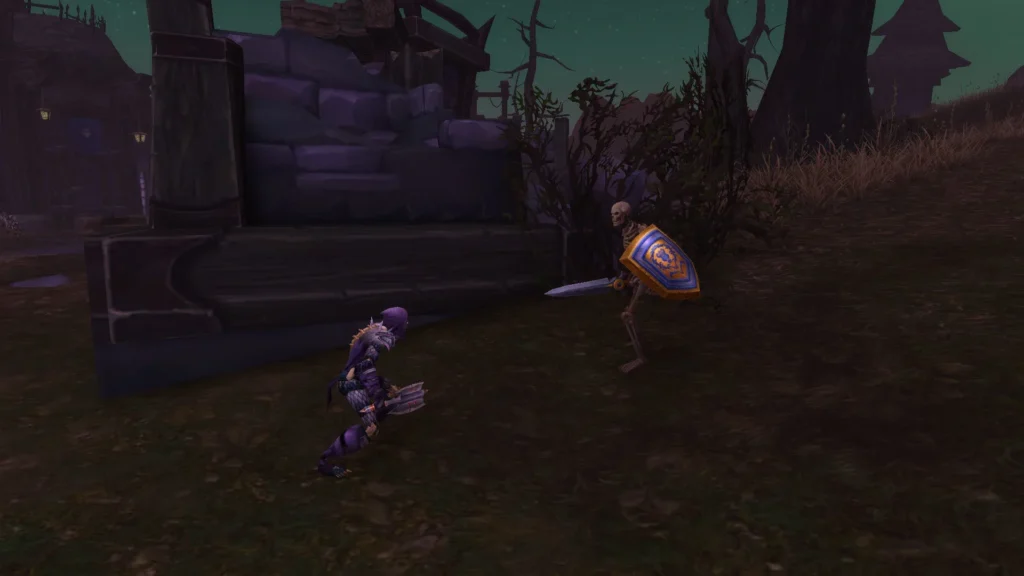
The Forsaken navigate relationships with other factions through strategic alliances, diplomacy, and military strength.
The Forsaken’s interactions with other factions are complex and often fraught with tension. Their historical context as former Scourge servants influences how they are perceived by others. To counteract this stigma, the Forsaken have sought alliances with factions like the Horde, which provides them with a platform to assert their legitimacy. Diplomatic efforts are often coupled with displays of military strength to deter aggression and foster respect.
Moreover, the Forsaken’s unique abilities and contributions to the Horde’s war efforts have solidified their role within the faction. They often serve as spies and assassins, leveraging their undead nature to gather intelligence and carry out covert operations. This strategic positioning allows them to navigate the political landscape effectively while maintaining their autonomy. By balancing diplomacy and military prowess, the Forsaken work to secure their place in the broader narrative of the game.
What are the long-term implications of the Forsaken’s existence?
The long-term implications of the Forsaken’s existence include ongoing conflicts with the living, potential for societal evolution, and the exploration of identity.
The Forsaken’s existence raises significant questions about the nature of life and death, as well as the potential for redemption. Their ongoing conflicts with the living suggest that their quest for acceptance may be a continuous struggle. As they navigate these challenges, the Forsaken have the opportunity to evolve their society, potentially leading to new cultural developments and ideologies. This evolution could redefine their identity and influence their relationships with other factions.
Furthermore, the Forsaken’s exploration of identity as undead beings opens up philosophical discussions about what it means to exist beyond death. This thematic depth enriches the narrative of World of Warcraft, inviting players to engage with complex moral dilemmas and character development. As the Forsaken continue to assert their place in the world, their journey serves as a poignant reminder of resilience and the search for purpose in the face of adversity.
Frequently Asked Questions
What motivates the Forsaken in their quest for purpose?
The Forsaken are primarily motivated by a desire for autonomy and revenge against those who abandoned them. Their leader, Sylvanas Windrunner, instills a sense of identity and purpose that drives them to reclaim their agency and assert their place in the world.
How do the Forsaken view their existence as undead beings?
The Forsaken view their existence as an opportunity for rebirth and self-discovery. They reject the stigma associated with being undead and embrace their new identity, seeking to create a society that reflects their values and experiences.
What role does Sylvanas Windrunner play in the Forsaken’s society?
Sylvanas Windrunner is a central figure in the Forsaken’s society, providing leadership and vision. Her influence shapes their identity and motivates them to pursue their goals, making her a pivotal character in their narrative.
How do the Forsaken interact with other factions in the game?
The Forsaken interact with other factions through strategic alliances and diplomacy, often leveraging their military strength to assert their position. Their relationships are complex, influenced by their history and the perceptions of others regarding their undead nature.
Leave a Reply