
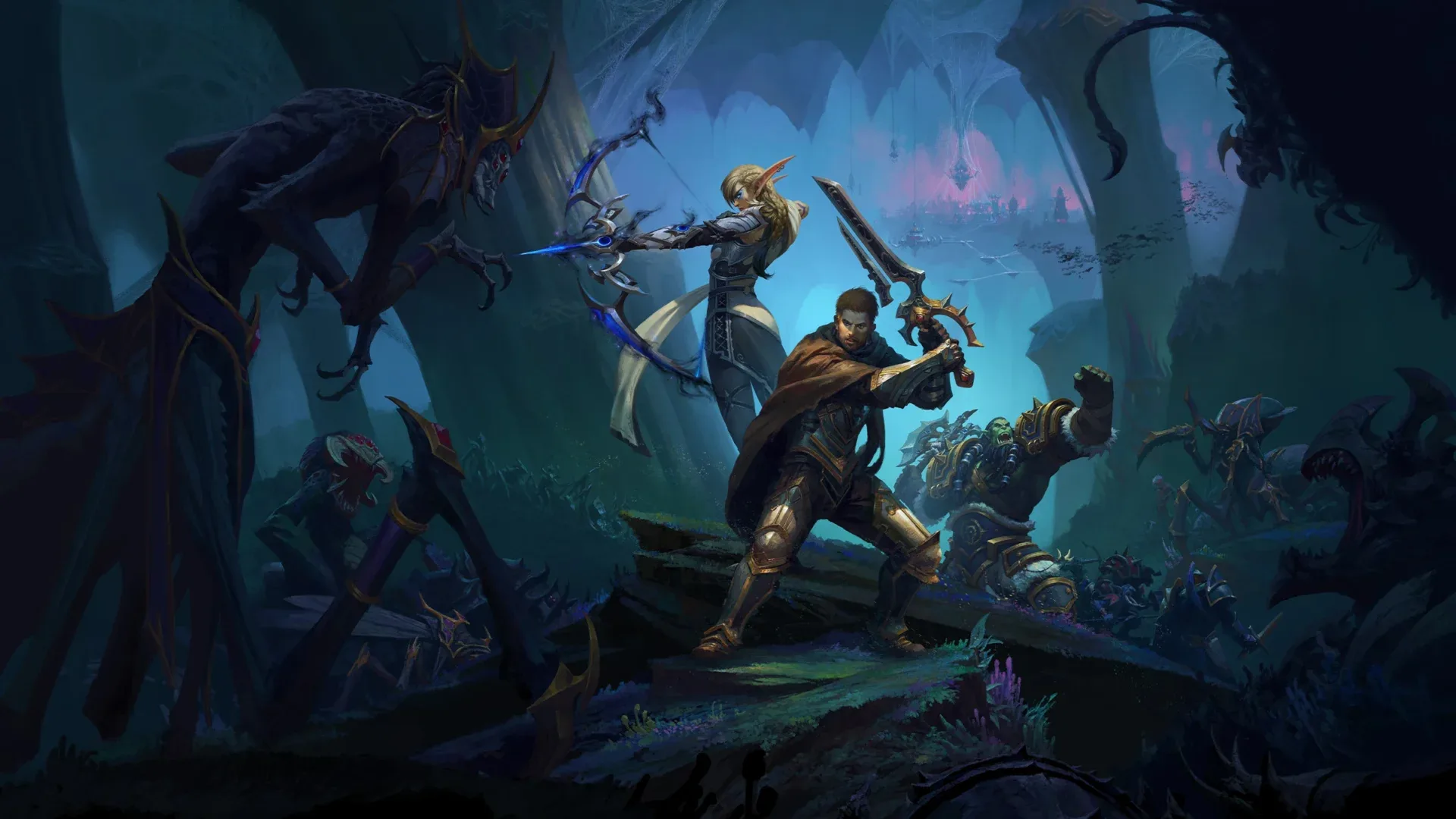
The Heart of Y’Shaarj encounter in the Siege of Orgrimmar raid represents a pivotal moment in World of Warcraft’s narrative, showcasing Garrosh Hellscream’s transformation under the influence of the Old Gods. This phase not only serves as a climactic battle but also symbolizes the psychological and emotional turmoil of corruption. Players experience a visceral descent into madness, where Garrosh’s character is stripped of his former honor, revealing the depths of his ambition and desperation.
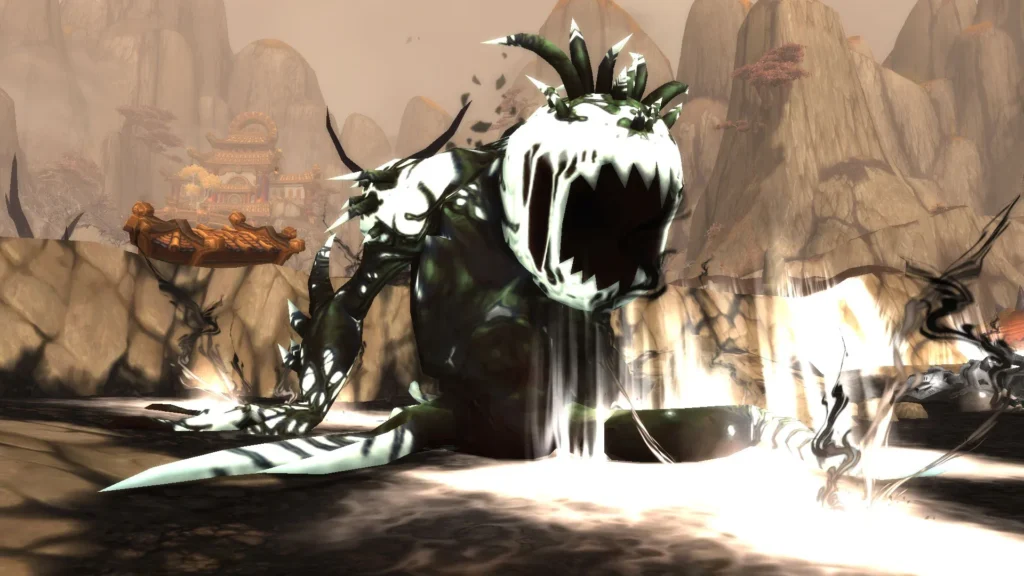
What are the key mechanics of Garrosh’s Heart of Y’Shaarj phase?
The Heart of Y’Shaarj phase features unique mechanics that emphasize corruption, including the use of the Sha’s power, which manifests through various abilities that challenge players’ coordination and strategy.
This phase introduces several mechanics that highlight Garrosh’s corruption and the influence of Y’Shaarj. Players must navigate through a series of increasingly complex abilities that reflect Garrosh’s descent into madness. The following table summarizes the key mechanics and their implications for raid strategy.
| Mechanic | Effect | Countermeasure | Phase Transition |
|---|---|---|---|
| Corrupted Blood | Inflicts damage over time to players | Spread out to minimize damage | Triggers when health drops below 50% |
| Desecrate | Creates damaging zones on the ground | Avoid standing in affected areas | Initiates after a specific damage threshold |
| Empowered Whirlwind | Increases damage and knockback | Use cooldowns and positioning | Starts when Garrosh reaches 30% health |
How does Garrosh’s descent into corruption manifest during the encounter?
Garrosh’s descent into corruption is illustrated through his increasingly erratic behavior and the manifestation of Y’Shaarj’s power, which alters his abilities and the environment of the fight.
Throughout the encounter, players witness Garrosh’s transformation as he becomes more reliant on the chaotic energies of Y’Shaarj. This is not merely a physical change; it reflects a psychological unraveling that resonates with players. As Garrosh channels the Old God’s power, his abilities become more destructive, showcasing a loss of control that mirrors his internal conflict. The encounter is designed to evoke a sense of urgency and danger, as players must adapt to his new, more lethal tactics.
The mechanics of the fight serve as a metaphor for Garrosh’s mental state. For instance, the Corrupted Blood mechanic represents the pervasive influence of Y’Shaarj, infecting players and forcing them to confront the consequences of their actions. The fight’s design emphasizes the chaotic nature of corruption, making it clear that Garrosh is no longer the honorable warrior he once was. This descent is punctuated by visual and auditory cues that enhance the emotional weight of the encounter, immersing players in the narrative.
As players engage with Garrosh, they are not just battling a boss; they are witnessing the tragic downfall of a character who once stood for strength and honor. The mechanics are intricately tied to this narrative, making each phase of the fight a reflection of Garrosh’s spiraling madness. This connection between gameplay and story is what makes the Heart of Y’Shaarj phase particularly impactful, as it invites players to experience the consequences of corruption firsthand.
What strategies can players employ to effectively defeat Garrosh in this phase?
To effectively defeat Garrosh during the Heart of Y’Shaarj phase, players should focus on coordination, positioning, and timely use of cooldowns to mitigate damage and control the mechanics.
Success in this phase hinges on a well-coordinated team effort. Players must communicate effectively to manage the various mechanics that Garrosh employs. Positioning is critical; players should spread out to avoid the Corrupted Blood damage while ensuring they are close enough to assist teammates who may be afflicted. The use of cooldowns should be strategic, particularly when facing the Empowered Whirlwind, which can devastate unprepared players.
- Establish clear roles for each player to handle specific mechanics, such as assigning players to manage Desecrate zones.
- Utilize movement abilities to quickly reposition during high-damage phases, ensuring players are not caught in overlapping mechanics.
- Coordinate cooldown usage to mitigate burst damage, especially during critical health thresholds.
- Practice the encounter in a controlled environment to familiarize the team with the mechanics and develop a rhythm.
What are the critical parameters for understanding Garrosh’s corruption?
Understanding Garrosh’s corruption requires an analysis of his abilities, the impact of Y’Shaarj, and the psychological themes that underpin the encounter.
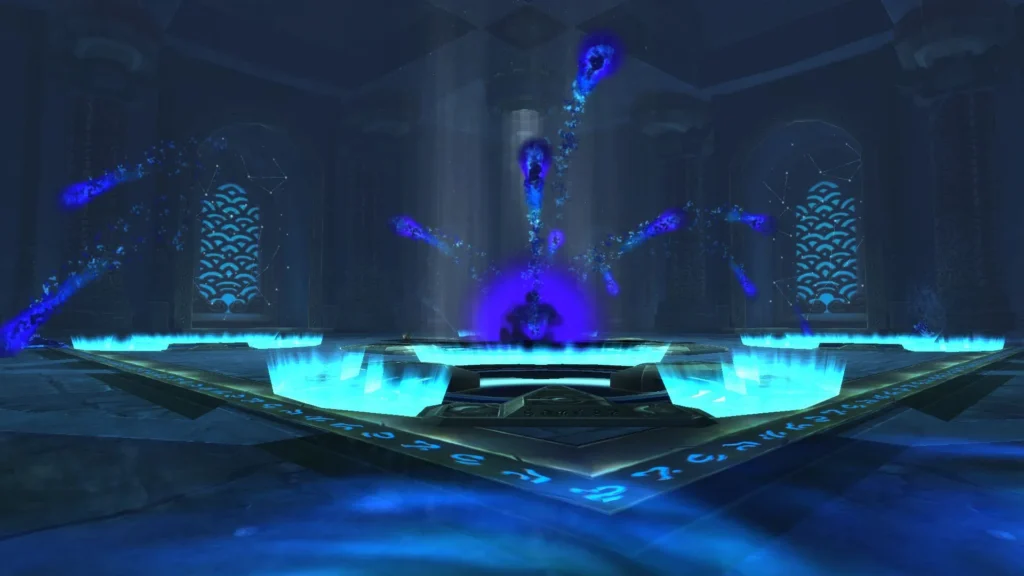
The critical parameters of Garrosh’s corruption lie in the interplay between his abilities and the influence of the Old God. Each mechanic not only serves a gameplay function but also reinforces the narrative of his descent into madness. The psychological themes of ambition, power, and loss of control are central to the encounter, making it a rich tapestry of storytelling and gameplay.
Players should pay attention to the visual and auditory cues that signal changes in Garrosh’s behavior. These cues often indicate when to expect more aggressive mechanics or shifts in strategy. Understanding these parameters allows players to anticipate Garrosh’s actions and adapt their strategies accordingly. The encounter becomes a dance between chaos and control, where players must navigate the tumultuous waters of Garrosh’s corruption while striving for victory.
What potential issues might players encounter during the Heart of Y’Shaarj phase?
Players may encounter issues such as miscommunication, poor positioning, and failure to adapt to Garrosh’s mechanics, which can lead to wipes and frustration.
Common issues arise from a lack of coordination among team members. Miscommunication can lead to players standing too close together, resulting in amplified damage from mechanics like Corrupted Blood. Additionally, failure to recognize the importance of positioning can result in players being caught in Desecrate zones, leading to unnecessary deaths. The dynamic nature of the encounter requires players to remain vigilant and adaptable, as the fight evolves with Garrosh’s descent into corruption.
Players should also be aware of the psychological toll that challenging encounters can take on a raid group. Frustration can lead to a breakdown in communication, compounding the issues faced during the fight. Establishing a positive team environment and encouraging open dialogue can mitigate these problems. By fostering a culture of support and collaboration, players can navigate the challenges of the Heart of Y’Shaarj phase more effectively.
What are the future trends in raid design that could be influenced by the Heart of Y’Shaarj phase?
The Heart of Y’Shaarj phase sets a precedent for future raid designs by integrating narrative depth with complex mechanics, emphasizing the emotional impact of encounters.
Future trends in raid design may lean towards creating encounters that not only challenge players mechanically but also resonate emotionally. The integration of narrative elements, such as character development and thematic storytelling, can enhance player engagement. As seen in the Heart of Y’Shaarj phase, the combination of gameplay and story creates a memorable experience that players are likely to discuss and revisit.
Moreover, the emphasis on psychological themes in encounters could lead to more immersive experiences. Designers may explore the mental and emotional states of characters, using mechanics to reflect their struggles and transformations. This approach could foster a deeper connection between players and the narrative, making each encounter feel more significant. As the gaming landscape evolves, the lessons learned from the Heart of Y’Shaarj phase will likely influence how future raids are crafted, pushing the boundaries of storytelling in gaming.
Leave a Reply