
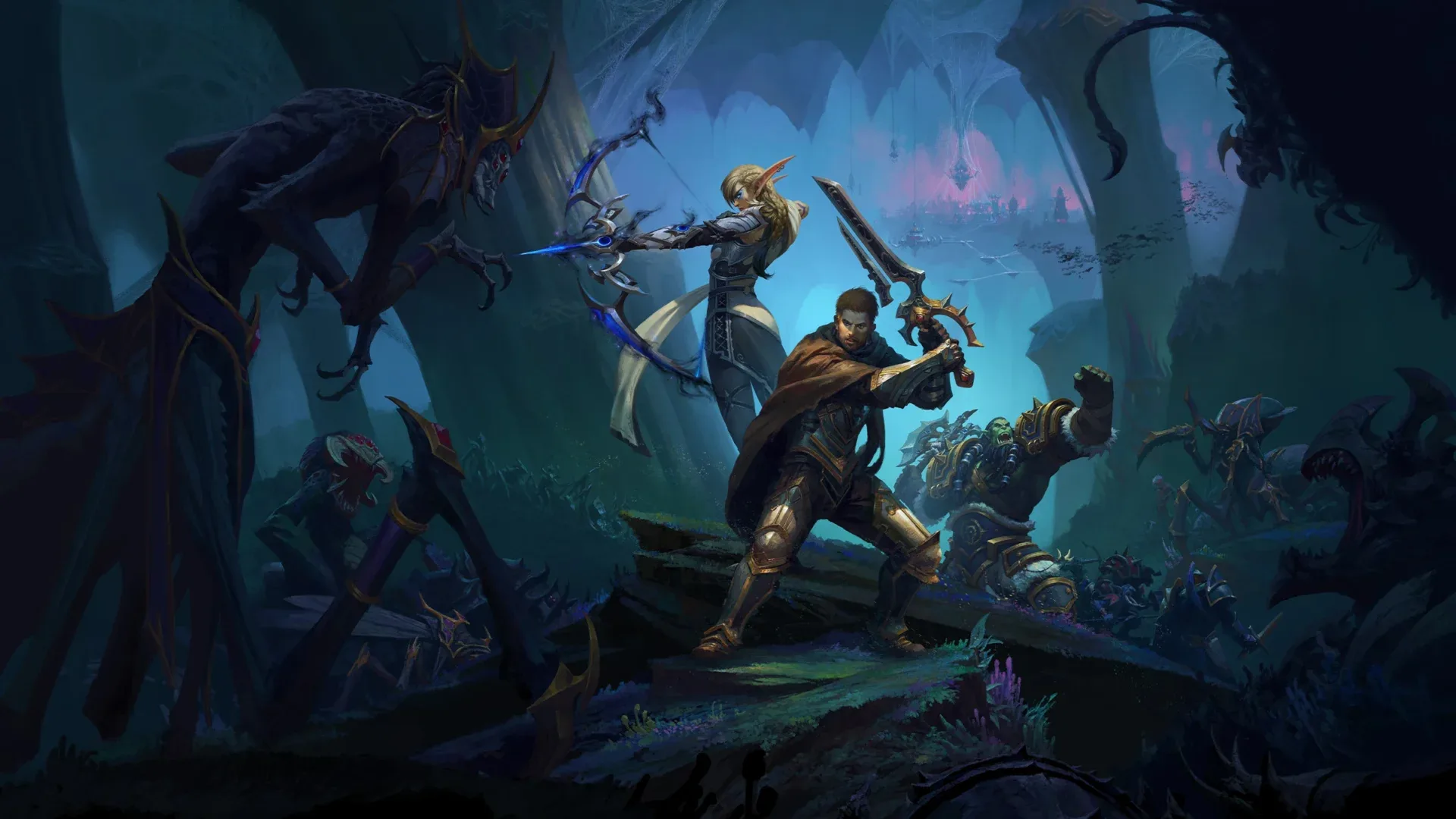
The combat in World of Warcraft feels responsive and impactful, a quality driven by the game’s sophisticated use of visual and auditory feedback. Every strike, spell, and parry is accompanied by a deliberate effect that reinforces the player’s actions. This guide explores the “punchiness” of Warcraft combat, examining how particle effects, screen shakes, and sound synchronization transform simple input commands into satisfying displays of power that keep players engaged for thousands of hours.
The Anatomy of an Impact
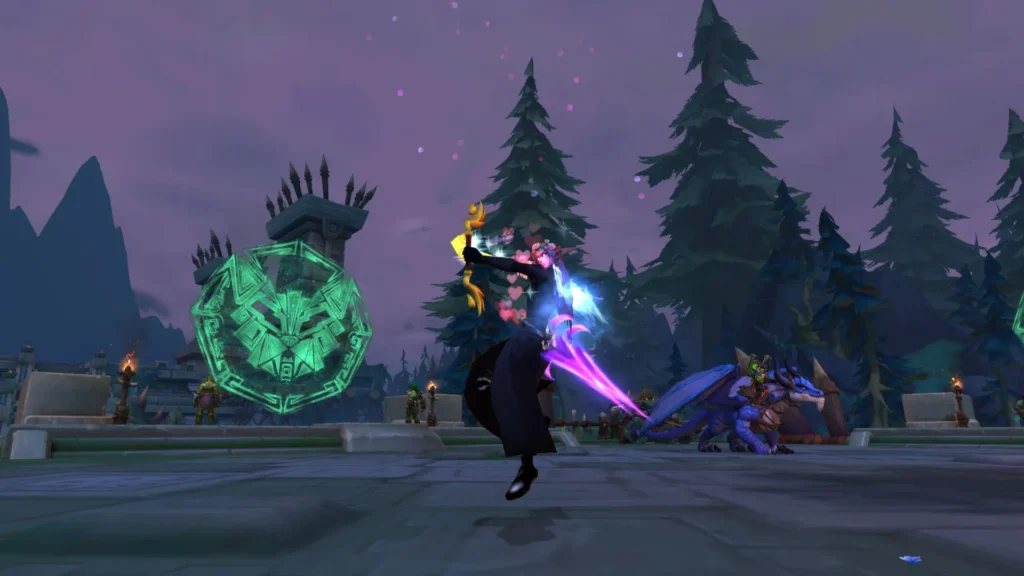
Combat in this game relies on “juice”—small, deliberate additions that make actions feel heavier. When a rogue strikes an enemy, the impact is signaled by a sharp visual spark and a distinct sound, both occurring at the exact frame of the hit. This synchronization creates a sense of physical weight. Without these effects, the combat would feel floaty and unresponsive. By tying visual flair directly to the resolution of an action, the game provides the player with constant, high-quality feedback that confirms their success in real-time.

Particle effects serve as the final touch for magical abilities. A fireball is not just a projectile; it is a bright, swirling vortex of flame that leaves a trail of smoke and lights up the surrounding environment. These effects serve two purposes: they look impressive and they communicate information. By giving high-damage abilities distinct, aggressive visuals, the game trains the player to recognize when their strongest attacks have landed. This aesthetic reinforcement is crucial for making the player feel like they are becoming more powerful as they level up.
Elements of Punchy Combat
| Effect | Contribution to Gameplay |
|---|---|
| Visual Sparks | Signals an immediate, successful hit. |
| Audio Cues | Provides a rhythmic sense of damage. |
| Particle Trails | Shows the path and reach of abilities. |
| Ability Glows | Highlights when power moves are ready. |
Consistency as a Driver of Satisfaction
The success of these effects lies in their consistency. Every class has its own visual language, but they all adhere to the same rules of feedback. This unity ensures that the combat feels fair and coherent. When a player switches classes, they don’t have to learn new ways to tell if they are hitting their targets. The familiarity of this feedback loop allows the player to focus on the challenge of the encounter rather than the mechanics of the game’s interface.
The Cumulative Effect of Combat

Ultimately, these visual layers create an addictive combat rhythm. When dozens of players interact in a raid, the screen becomes a symphony of colors, shapes, and sounds. Because the effects are polished and clear, the chaos remains legible. This clarity is a testament to the game’s design, proving that satisfying combat is the result of careful, minute adjustments that pay off in a smooth, high-energy experience.
Leave a Reply