
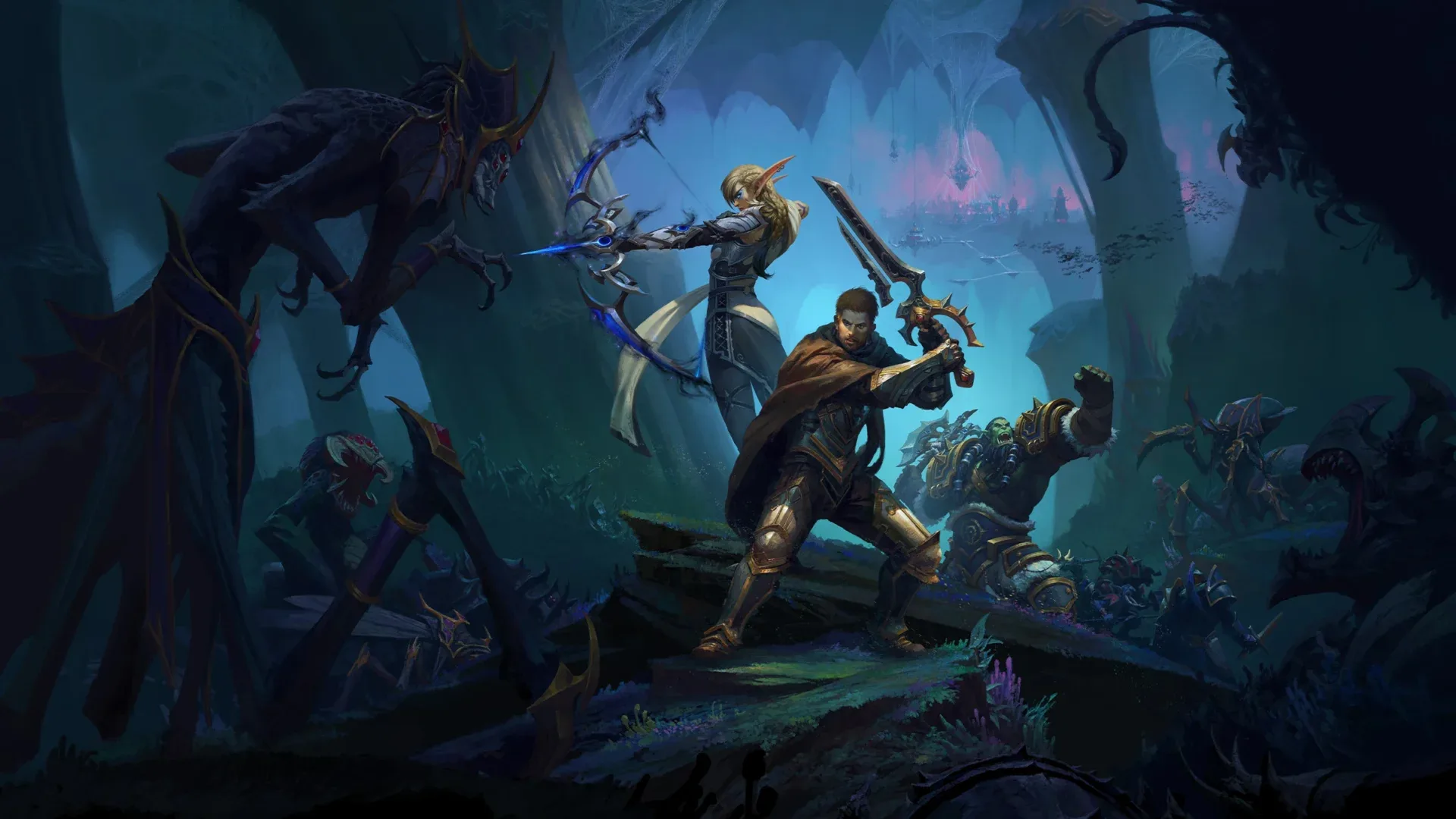
In Classic World of Warcraft, managing threat and rage is crucial for tanking effectively in dungeons. Threat is the measure of a player’s ability to hold the attention of enemies, ensuring they attack the tank instead of the damage dealers. Rage, on the other hand, is a vital resource for Warriors, as it is generated through taking damage and dealing damage, impacting their ability to use powerful abilities. Understanding the dynamics of threat generation and rage management will not only improve your performance but also enhance the overall success of your dungeon runs.
Understanding Threat Mechanics
Threat is calculated based on the damage dealt to enemies, healing, and specific abilities used by players. In Classic WoW, maintaining aggro is essential, as a loss of threat can result in damage dealers pulling mobs, leading to potential wipes. The threat table is shared among all players in the party, which means it’s critical for tanks to generate more threat than anyone else. Key abilities for generating threat include Taunt, Sunder Armor, and Shield Slam. Moreover, it’s important to know that using abilities with high damage output can inadvertently pull aggro if the tank is not careful with their threat generation.
Rage Generation for Warriors
Rage is a unique resource for Warriors that fuels their tanking and damage-dealing abilities. In dungeons, rage generation is primarily based on taking damage and dealing damage to enemies. The more hits a Warrior takes, the more rage they generate, allowing them to use powerful abilities like Shield Block and Revenge. It’s crucial for a Warrior to maintain a balance between taking damage and using abilities, as aggressive mitigation can lead to lower rage generation. Additionally, abilities such as Heroic Strike can be used as a rage dump to ensure that excess rage does not go to waste.

Strategies for Managing Threat
To effectively manage threat, tanks should employ several strategies during dungeon runs. First, always start encounters with a strong opening threat-generating ability, such as Sunder Armor or Shield Slam, to establish initial aggro. Following up with multi-target abilities like Thunder Clap can help maintain threat against groups of enemies. Additionally, it’s essential to monitor the party’s damage output and communicate with damage dealers to avoid overstepping threat boundaries. Utilizing threat meters can assist in tracking your threat in real-time. Below is a table summarizing key threat-generating abilities:
| Ability | Type | Threat Generated | Cooldown |
|---|---|---|---|
| Sunder Armor | Physical | High | 6 seconds |
| Shield Slam | Physical | Very High | 6 seconds |
| Thunder Clap | Physical | Moderate | 6 seconds |
| Taunt | Ability | Instant | 10 seconds |
Rage Management Techniques
Proper rage management involves using abilities wisely to maximize effectiveness during encounters. Warriors should prioritize using abilities that generate rage in response to incoming damage, allowing them to utilize defensive skills when needed. It’s also beneficial to use cooldowns like Shield Wall or Last Stand strategically to minimize incoming damage while maximizing rage generation. As a tank, staying aware of your rage levels is crucial; having too much unspent rage means lost potential, while too little can leave you unable to execute critical abilities. Here are some tips for effective rage management:
- Use damage mitigation abilities to maximize rage generation.
- Coordinate with healers to ensure you’re taking consistent damage.
- Utilize rage dump abilities like Heroic Strike wisely.
- Communicate with your group to manage damage output and threat.
Conclusion: Mastering Threat and Rage
Mastering threat and rage management in Classic WoW dungeons requires practice and understanding of the mechanics at play. By employing effective strategies for generating threat and managing rage, tanks can ensure they remain at the forefront of battles, absorbing damage and protecting their party. Remember to communicate with your team, utilize threat meters, and adjust your playstyle based on the dynamics of each encounter. With these skills, you will not only enhance your performance but also contribute significantly to your group’s success in the challenging dungeons of Azeroth.
Leave a Reply